Why Engine Overheats and What to Do Next

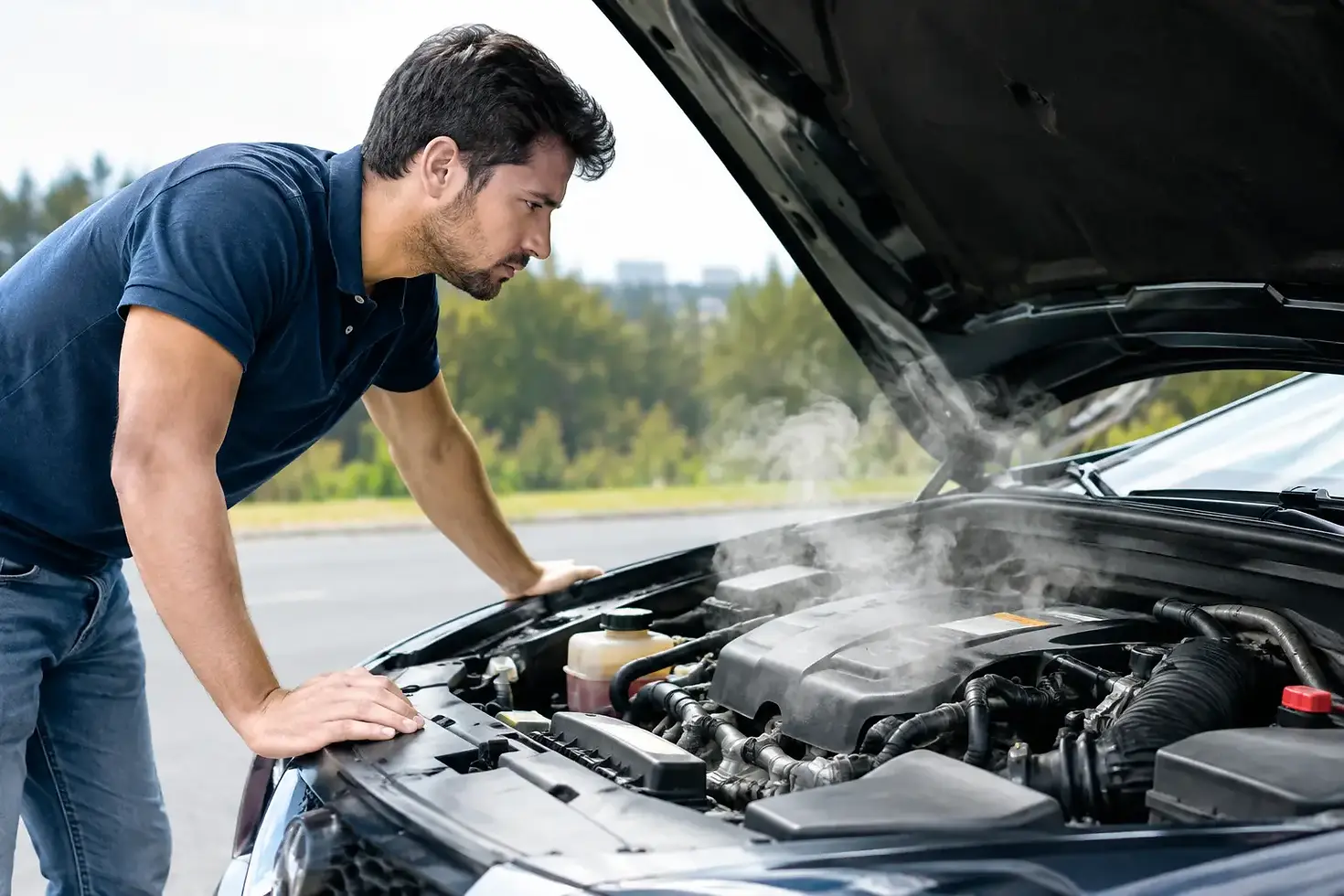
A temperature gauge climbing past normal can turn a regular Raleigh commute into a roadside problem fast. If you are asking why engine overheats, the short answer is that your engine is making more heat than the cooling system can carry away. The cause may be as simple as low coolant, or it may point to a failed part that needs attention before it becomes major engine damage.
Do not try to push through an overheating warning. Pull over safely, turn off the air conditioning, and let the engine cool. A quick response can be the difference between a straightforward repair and a warped cylinder head, blown head gasket, or complete engine failure.
What Happens When an Engine Overheats
Your engine burns fuel to create power, and that process creates intense heat. Coolant absorbs that heat, moves through the radiator, and releases it into the air. The water pump, thermostat, radiator fan, hoses, radiator cap, and coolant all have to work together.
When one part fails, heat can build quickly. Modern vehicles may show a high-temperature warning, turn on a check engine light, reduce engine power, or produce steam from under the hood. Older vehicles may only give you a rising temperature gauge. Either way, treat it as an urgent problem.
A hot day, stop-and-go traffic on Capital Boulevard, heavy towing, or a long idle can make an existing cooling-system issue show up sooner. Those conditions do not usually cause a healthy vehicle to overheat by themselves. They expose a problem that was already developing.
Why Engine Overheats: The Most Common Causes
Low coolant or a coolant leak
Low coolant is one of the most common reasons an engine runs hot. Coolant can leak from a cracked hose, loose clamp, damaged radiator, failing water pump, heater core, or worn gasket. Sometimes the leak is obvious, leaving a green, orange, pink, or yellow puddle under the vehicle. Other times, coolant burns off on a hot engine or leaks slowly enough that you never see a puddle.
Do not assume you can simply top off coolant and forget it. Coolant does not disappear under normal conditions. If the level is low, the system needs to be checked for the source of the leak.
A thermostat that will not open
The thermostat controls coolant flow between the engine and radiator. When the engine is cold, it stays closed to help the engine warm up. Once the engine reaches operating temperature, it opens and allows coolant to circulate.
If the thermostat sticks closed, hot coolant stays trapped in the engine. The temperature can rise rapidly, sometimes within a few miles. Thermostat replacement is often a manageable repair, but continuing to drive with a stuck thermostat can cause expensive damage.
A failed radiator fan
The radiator fan is especially important when the vehicle is sitting in traffic or idling. At highway speed, air naturally moves through the radiator. When you are stopped, the fan has to do the work.
If your vehicle stays cool while moving but overheats at red lights, in a drive-thru, or while parked with the engine running, a bad cooling fan, relay, fuse, wiring issue, or fan control sensor may be the reason. Turning on the A/C can sometimes make the symptom worse because the system needs even more airflow.
A bad water pump or blocked coolant flow
The water pump circulates coolant through the engine and radiator. A failing pump may leak, make a whining or grinding sound, or stop moving coolant effectively. Some pumps fail without much warning.
Restricted flow can also come from a clogged radiator, collapsed hose, contaminated coolant, or trapped air in the cooling system. These problems require proper diagnosis because the symptoms can look similar from the driver’s seat.
A damaged radiator cap
The radiator cap may be small, but it helps maintain the pressure the cooling system needs. Proper pressure raises the coolant’s boiling point. A weak cap can let coolant boil or escape too early, causing overheating and coolant loss.
This is not always the first part to suspect, but it is quick to inspect and should not be overlooked during a cooling-system diagnosis.
Head gasket trouble
A blown head gasket is a serious possible cause, although it is not the answer every time an engine runs hot. The gasket seals the engine block and cylinder head. When it fails, combustion gases can enter the cooling system, coolant can enter the engine, or oil and coolant can mix.
Warning signs can include repeated overheating, thick white exhaust smoke, unexplained coolant loss, bubbling in the coolant reservoir, rough running, or milky-looking engine oil. A head gasket issue needs prompt testing. Driving farther can turn an already costly repair into an engine replacement.
What to Do When Your Temperature Gauge Rises
Act early. If the gauge starts moving above its normal range, turn off the A/C and safely pull over as soon as possible. If you are still moving toward a safe shoulder or parking area, turning the heater to full heat can pull some heat from the engine. It is uncomfortable, but it may buy a little time.
Once you are stopped, turn off the engine. Do not open the radiator cap or coolant reservoir cap while the engine is hot. Pressurized coolant can spray out and cause severe burns. Give the vehicle time to cool completely before looking under the hood.
Call for help right away if you see steam, smell sweet coolant, notice fluid pouring out, hear loud knocking, or receive a red temperature warning. If the engine has already overheated severely, do not restart it just to see whether it will make it home.
Can You Drive an Overheating Car?
Usually, no. Driving an overheating car is a gamble that rarely pays off. A few extra miles can warp metal engine components and damage seals that were fine before the temperature spike.
There are limited situations where a gauge rises slightly in heavy traffic and drops back to normal once moving. Even then, the vehicle should be inspected soon, especially if the issue happens again. A one-time event can still be an early warning of low coolant, fan trouble, or a thermostat beginning to fail.
If the gauge reaches the red zone, steam appears, or a temperature warning tells you to stop, shut the vehicle down. The inconvenience of arranging service is much smaller than the cost of replacing an engine.
How a Mechanic Finds the Real Problem
Overheating repairs should start with diagnosis, not guessing. A mechanic may inspect coolant level and condition, look for external leaks, pressure-test the cooling system, check fan operation, verify thermostat function, inspect belts and hoses, and test for combustion gases in the coolant when a head gasket issue is suspected.
The repair depends on the findings. A leaking hose and a clogged radiator may produce similar high-temperature symptoms but require very different work. Replacing random parts can waste time and money, particularly when the vehicle is stranded at home or work.
For many common cooling-system concerns, Blows Auto Care can come to your location in Raleigh and surrounding areas to inspect the issue and help you understand the next step. If the engine needs a repair that cannot be safely completed on-site, an honest diagnosis helps you avoid further damage and make the right towing decision.
Preventing Another Overheating Problem
Check your coolant level only when the engine is cold, and use the coolant type specified for your vehicle. Keep up with recommended coolant service intervals, but do not treat a coolant flush as a cure for a mechanical failure. If you have to add coolant more than once, get the system inspected.
Pay attention to small changes: a sweet smell after driving, a temperature gauge that creeps higher than usual, coolant spots under the car, a heater that suddenly blows cold, or a fan that never seems to run. Early service is usually faster and more affordable than waiting for a roadside breakdown.
Your engine should run at a stable temperature, not demand constant attention. When it does not, stop safely, let it cool, and get a clear diagnosis before a minor cooling-system repair becomes a major interruption to your week.


Comments