Brake Pads Versus Brake Rotors Explained

A squeal at the end of a Raleigh commute is easy to ignore until the steering wheel shakes or the brake pedal feels different. With brake pads versus brake rotors, the key thing to know is that these parts work as a team, but they do not wear out the same way. One may need service before the other, and waiting too long can turn a straightforward brake job into a larger repair.
Your brakes are not a system to guess about. If stopping takes longer, the car pulls, the pedal feels soft, or you hear grinding, it is time to have it checked. A mobile mechanic can inspect the concern where your vehicle is parked, whether that is at home, work, or on the roadside.
What Brake Pads Do
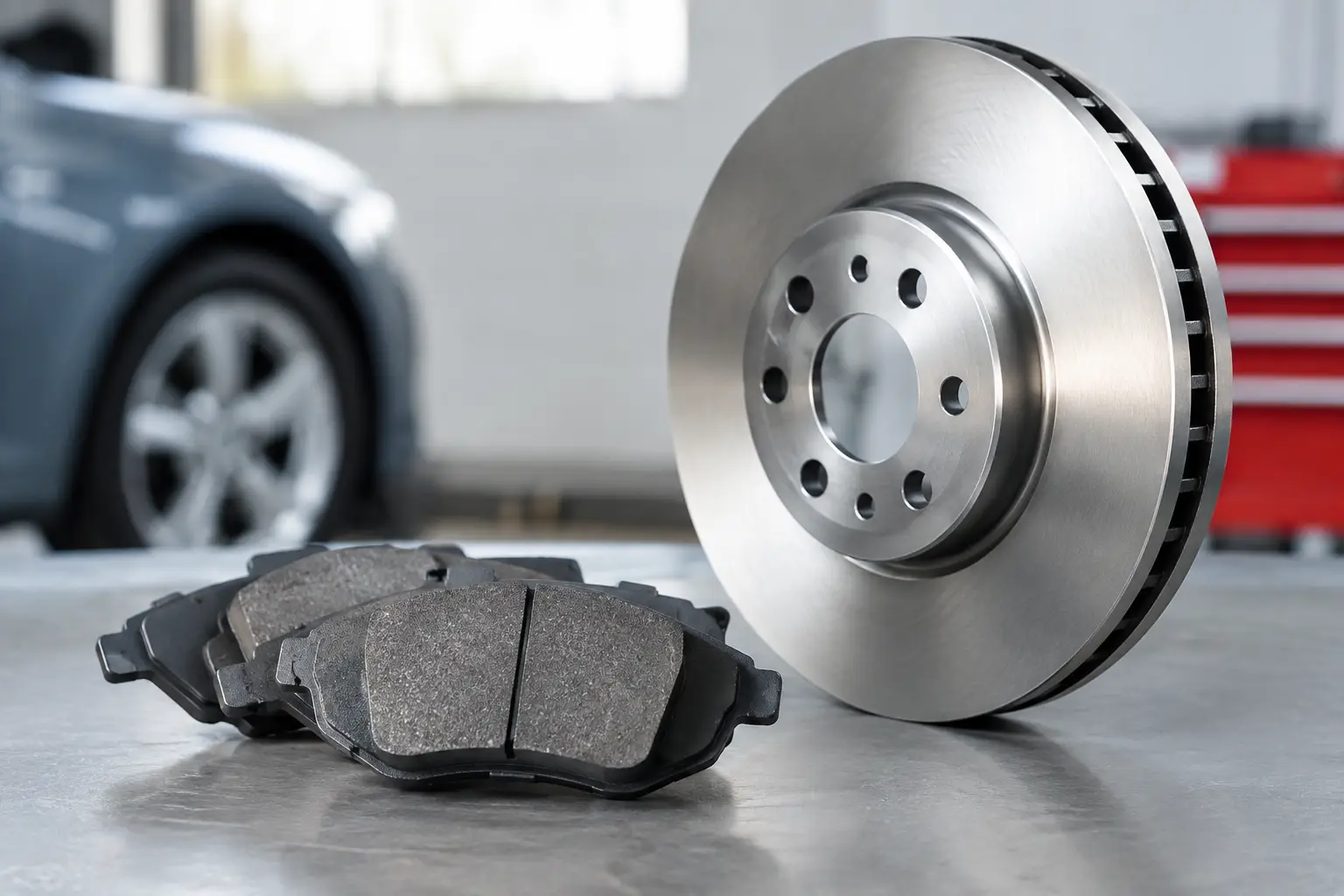
Brake pads are the replaceable friction material that slows your vehicle. When you press the brake pedal, the caliper squeezes the pads against the brake rotor. That pressure creates friction, converting the vehicle's motion into heat and bringing the wheels to a stop.
Most vehicles have disc brakes on the front wheels, where much of the stopping force happens. Many also have rear disc brakes. Pads are built to wear down over time, so replacing them is normal maintenance, not a sign that you did something wrong.
Pad life depends on how and where you drive. Stop-and-go traffic, frequent short trips, steep hills, hauling weight, and hard braking can wear pads faster. A driver who spends most days on open highway may get more miles from a set than someone making school drop-offs and downtown errands.
When the pad material becomes thin, many pads make a high-pitched squealing sound. That sound is often a wear indicator doing its job. Grinding is more serious. It can mean the pad material is gone and metal is contacting the rotor.
What Brake Rotors Do
Brake rotors are the round metal discs mounted behind the wheels. They spin with the wheels and provide the smooth surface the pads clamp onto. Rotors absorb and release a great deal of heat every time you brake.
Unlike pads, rotors are not designed to be replaced at every brake service. Still, they can wear thinner, develop grooves, rust, warp from excessive heat, or become uneven over time. A rotor must remain above its minimum safe thickness and have a surface that allows the pads to grip evenly.
You may feel a pulsation in the brake pedal or steering wheel when braking if a front rotor has uneven thickness or excessive runout. The vibration is usually most noticeable at moderate or highway speeds. It is not something to put off, because uneven braking can affect control and make the vehicle harder to stop smoothly.
Surface rust after rain or an overnight parking period is common and often clears after a few normal stops. Deep rust, heavy pitting, cracks, blue heat spots, or severe grooves are different. Those conditions deserve an inspection before the vehicle is driven regularly.
Brake Pads Versus Brake Rotors: The Main Difference
The simple difference is this: brake pads create friction, while brake rotors give the pads a surface to press against. Pads are softer and wear faster. Rotors are harder and usually last longer, but they can be damaged by worn-out pads, overheating, or neglected brake service.
Think of it like shoes and pavement. The sole of the shoe wears as it grips the ground, but rough or damaged pavement can wear the sole faster. In the same way, a rough rotor can eat through new pads early, and worn pads can score a rotor.
That is why replacing only the pads is not always the right answer. If the rotors are in good condition, within thickness specifications, and have an even braking surface, new pads may be all you need. If rotors are thin, damaged, or causing vibration, they should be replaced along with the pads.
Signs You May Need Brake Pads
Brake pad trouble often starts with noise. A light squeal can point to normal pad wear, although dust, moisture, or certain pad materials can also make noise. A mechanic needs to inspect the pad thickness and hardware before deciding what the sound means.
Other signs include longer stopping distance, a brake warning light, a low brake fluid level caused by pad wear, or a vehicle that feels less confident when slowing down. Some vehicles have electronic pad sensors that trigger a dashboard warning. Do not assume the warning can wait until your next oil change.
A burning smell after heavy braking may mean the brakes are overheating. If the vehicle pulls sharply, smoke is coming from a wheel, or one wheel feels unusually hot, stop driving when it is safe to do so. A stuck caliper can keep a pad pressed against the rotor and cause fast damage.
Signs You May Need Brake Rotors
Rotor problems often show up as a shake, pulse, or vibration during braking. If the steering wheel shakes when you slow down, the issue may be in the front brake rotors. If the brake pedal pulses without much steering-wheel movement, rear rotor concerns are possible too.
Grinding is another major warning sign. Once metal backing from a worn pad contacts the rotor, it can carve grooves into the surface quickly. At that point, replacing pads alone may not restore safe, smooth braking.
Do not diagnose rotors based on feel alone. Tire issues, suspension wear, wheel bearing problems, and brake caliper faults can create similar symptoms. A proper brake inspection checks the pads, rotor condition, calipers, brake hoses, fluid, hardware, and the way the vehicle brakes on the road.
Can You Replace Pads Without Replacing Rotors?
Sometimes, yes. The answer depends on rotor thickness, surface condition, measurements, and the cause of the original problem. A quality brake repair is not about selling the largest job. It is about installing the parts your vehicle actually needs for safe stopping.
Rotors may be resurfaced on some vehicles if they have enough material remaining and are otherwise in good condition. However, replacement is often the practical choice when rotors are near minimum thickness, badly scored, rusted, overheated, or already uneven. New pads need a clean, stable surface to bed in correctly.
It also matters whether you are replacing pads on one axle or both. Brake pads and rotors should generally be serviced in pairs on the same axle so braking stays balanced from left to right. Replacing only one front pad or one front rotor can cause uneven braking and is not a good shortcut.
Why Waiting Costs More
The difference between a squeal and a grind can be expensive. Catching worn pads early may help protect the rotors. Waiting until the brakes grind can damage rotors, stress calipers, and leave you with a vehicle that is unsafe to drive.
Brakes can also fail gradually enough that drivers adjust without realizing it. You may start leaving more room in traffic, pressing the pedal harder, or avoiding sudden stops. That is not a fix. It is a sign your vehicle needs attention before a normal stop turns into a close call.
For busy Raleigh drivers, getting the vehicle to a shop can be the biggest hassle. Blows Auto Care can inspect common brake concerns at your location and explain what is worn, what can wait, and what should be handled now. Clear answers matter when you are deciding whether the car is safe for the next commute or school run.
What to Do When Your Brakes Feel Wrong
If you hear light squealing but the vehicle stops normally, schedule a brake inspection soon. If you feel vibration, pulling, or a soft pedal, move that inspection up. If there is grinding, smoke, a burning odor, a brake warning light, or a major change in stopping distance, avoid driving the vehicle except to get it to a safe location.
Do not rely on brake fluid alone to solve a brake problem. Adding fluid may hide a low-level warning for a short time, but it does not replace worn pads or repair a leak. The cause needs to be identified.
Your brakes should feel predictable every time you press the pedal. If they do not, treat the noise or vibration as your vehicle asking for attention, and get a qualified inspection before your next busy day depends on a fast stop.


Comments